About us
Our story
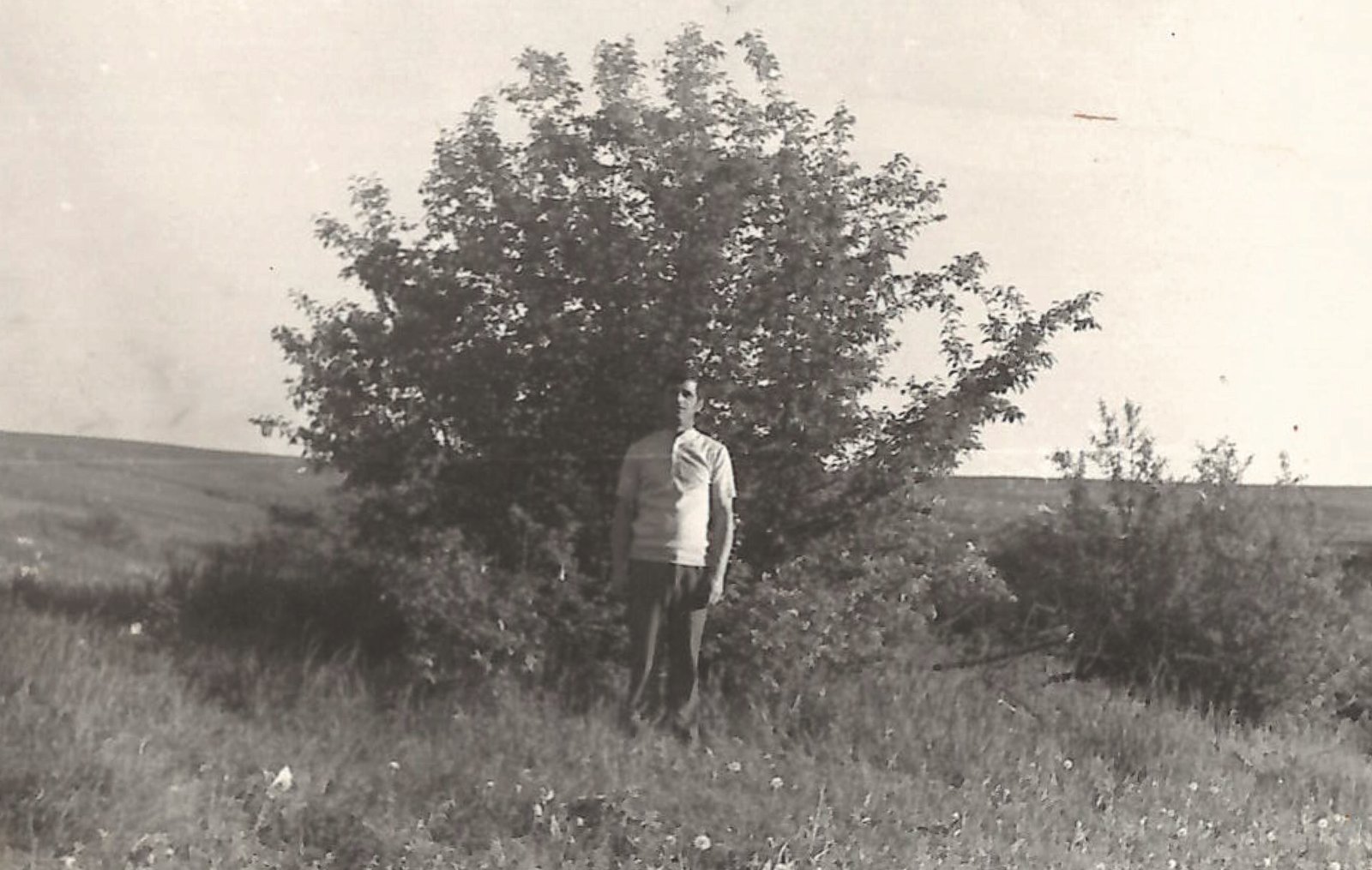
The earliest Ghemu ancestor I have traced is Matei Ghemu, who was born in the 1690s. Members of the family lived in the same village in Moldova and worked on the land for generations. My father’s family included farmers, carpenters and stonemasons.
Practical work was also part of my mother’s family history. Different generations worked with wood, metal and textiles, while other relatives worked in quality control. The occupations changed across the two families, but most people worked with their hands and many continued working well into old age.
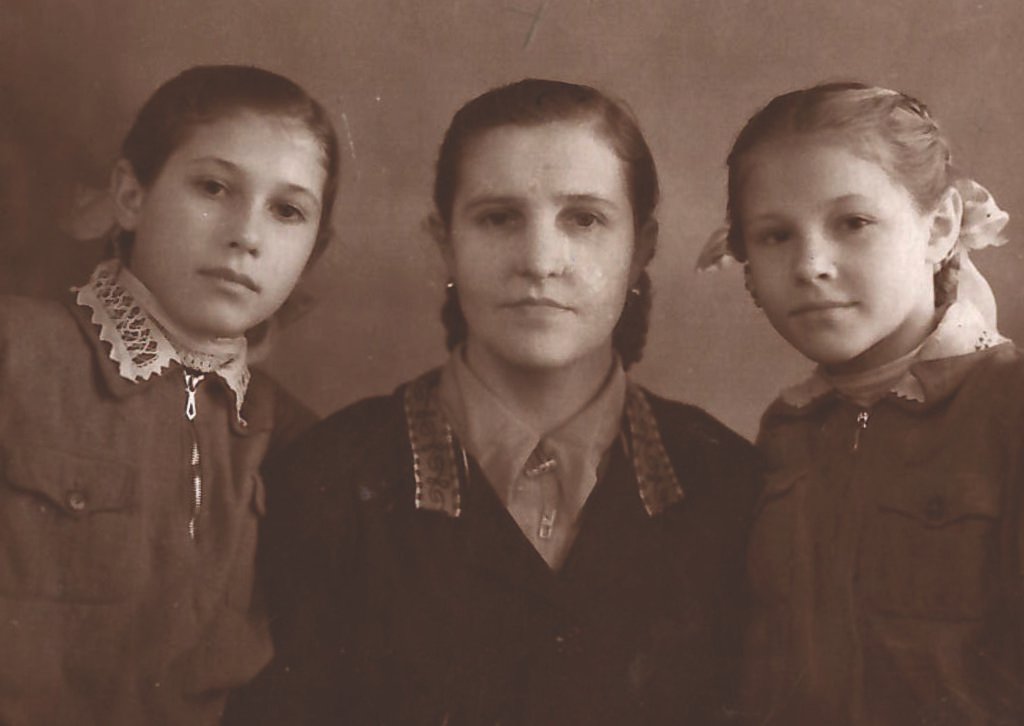
Jams and other preserves were regularly made in my mother’s family using seasonal fruit. Recipes were shared between relatives and passed from one generation to another.
Some recipes were written down, while others were taught through the preparation process itself. Measurements could be recorded, but the timing, texture and different stages were learnt by watching and helping. This knowledge continued to be used in family kitchens after relatives moved into homes of their own.
What changed
The First and Second World Wars brought significant loss to both families and interrupted the passing of land and work from one generation to the next. Family members later moved away from rural life as social and economic conditions changed, taking up different occupations in towns and cities. The opportunity to continue working on the land in the same way was gradually lost.
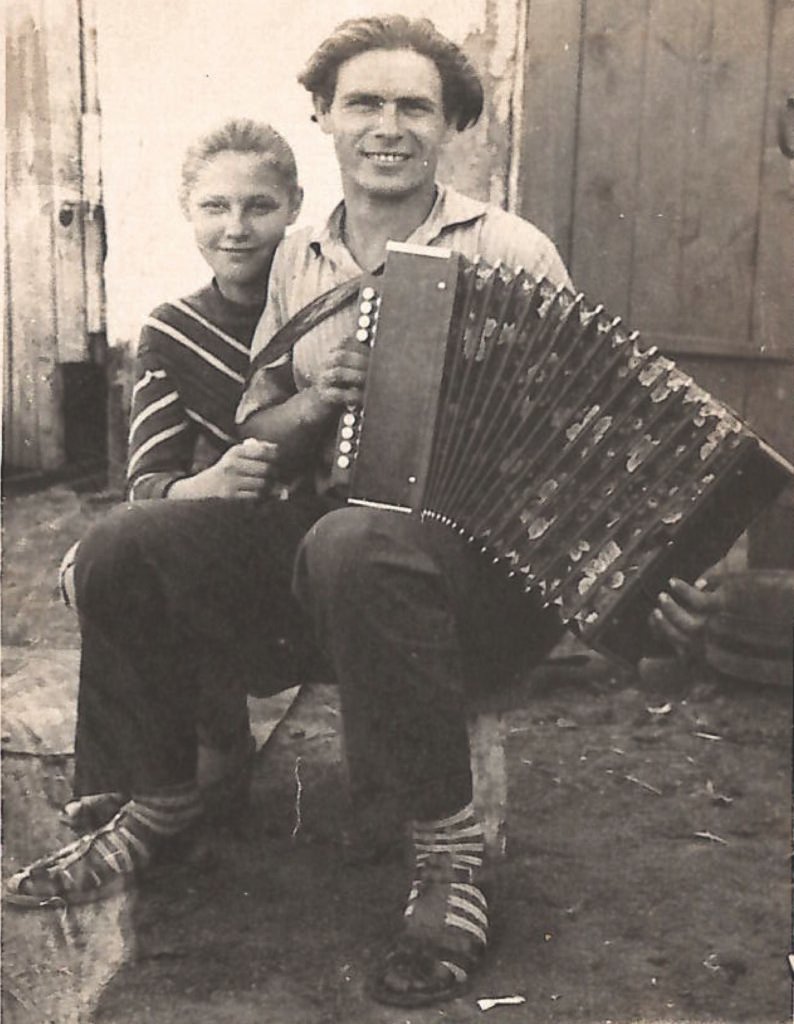
My generation did not inherit a working family farm, but the recipes, photographs and family records remained. Members of the family continued working in practical occupations, even though the setting and type of work had changed.
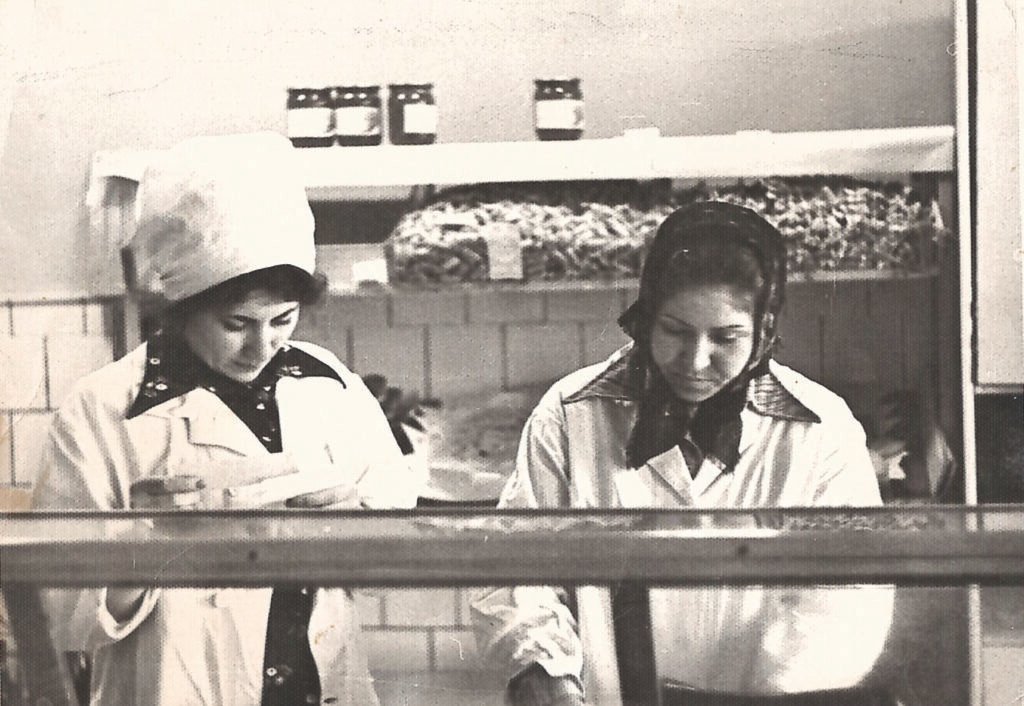
My paternal grandmother spent her working life in food retail and continues to work in the sector. Her generation worked in a very different setting from the relatives who had farmed the land, but food remained part of both work and family life.
My childhood
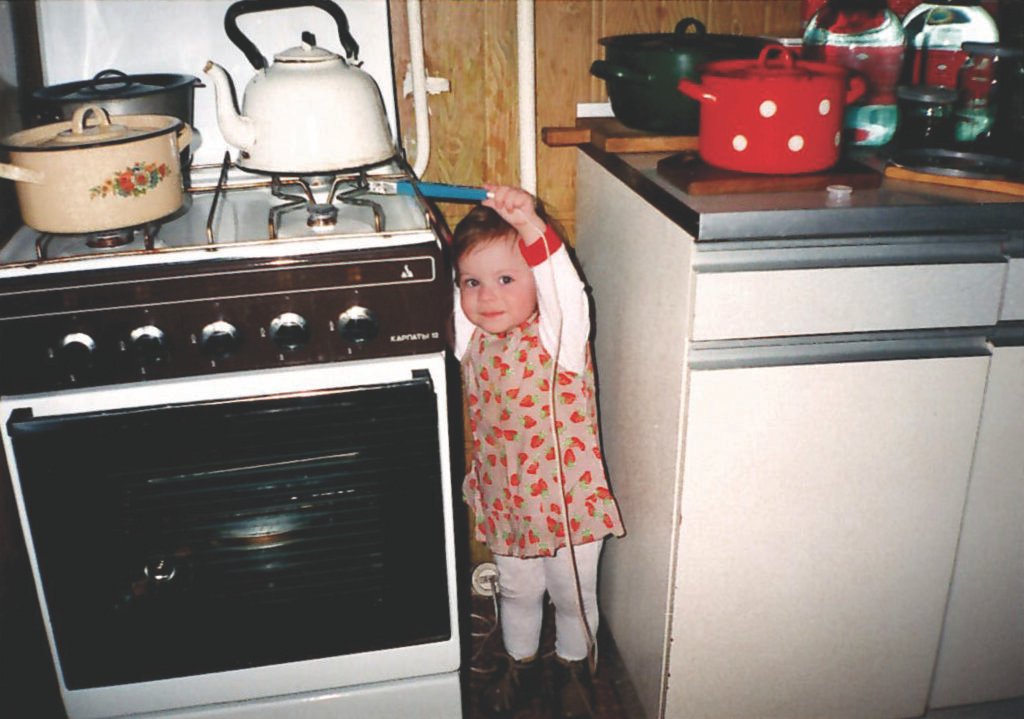
I spent a lot of time with my maternal grandmother in the kitchen when I was a child and often helped her make preserves and bake. I was curious about how everything was made and enjoyed creating things of my own.
I learnt to make toys and board games and sold them to other children in our courtyard. I sold sweets and snacks to classmates at school a few years later. My first plan was to open a toy shop. It probably made perfect sense to me at that age. The idea changed as I grew older, but I still wanted to build something of my own.
Ghemu Farm in Britain
IVA PLANTS was the first business I founded after moving to Britain. Running the tea company gave me practical experience in developing products, working with suppliers, organising production and selling directly to customers.
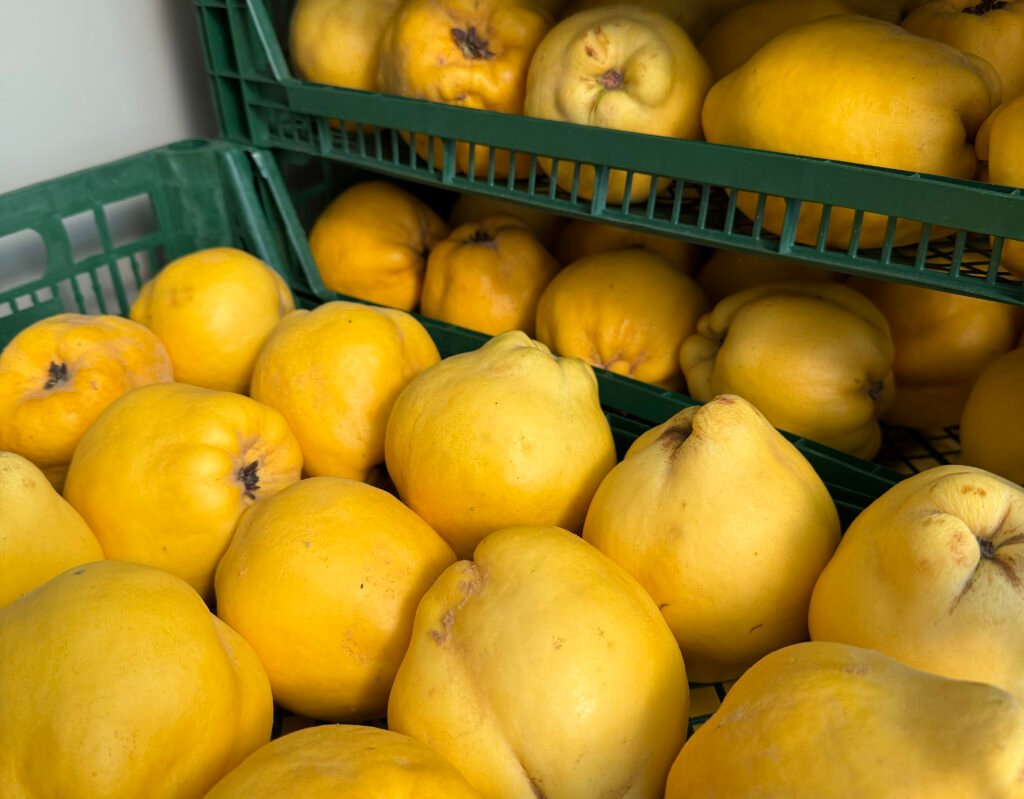
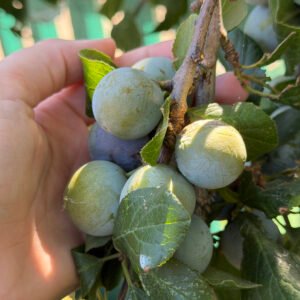
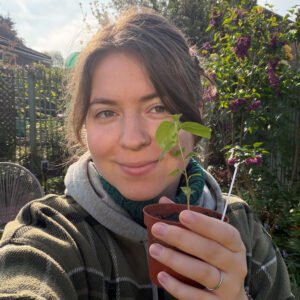
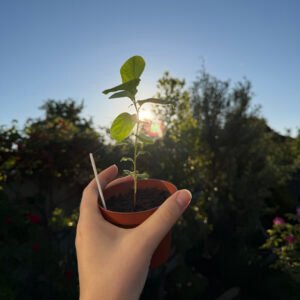
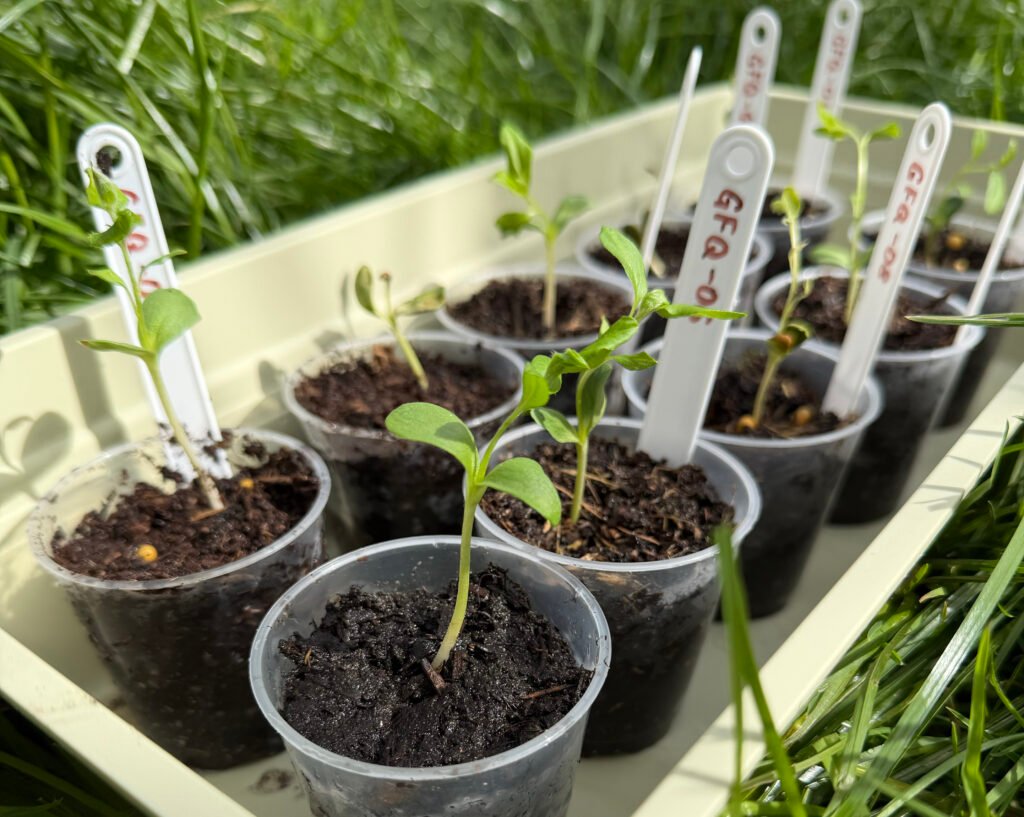
Ghemu Farm began as the growing side of that work. I started raising tea bushes and young quince trees with the intention of producing some of our own ingredients here. The plants were grown at home in small numbers while I learnt how they responded to our conditions.
I began making small-batch preserves as the project developed, using the recipes and methods I had known since childhood. Traditionally fermented foods became part of the work as well.
Preserves and fermented foods have become the main focus of Ghemu Farm. We now make Traditional Quince Jam, Traditional Quince & Lemon Jam, Courgette & Lemon Jam, seasonal fruit preserves and traditionally fermented sauerkraut.
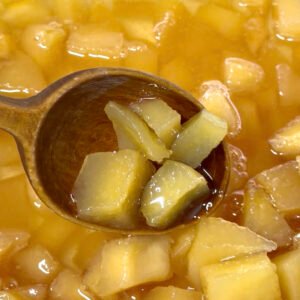
Our Traditional Quince & Lemon Jam is based on a family recipe and is prepared over three days. The process gives the quince time to release its juice and develop its colour and flavour gradually. The jam received a Great Taste 1-Star award in 2026.
Production remains small-batch, and each product is prepared and packed by us in Britain. We continue to develop the range through seasonal preserves and traditional fermentation.